
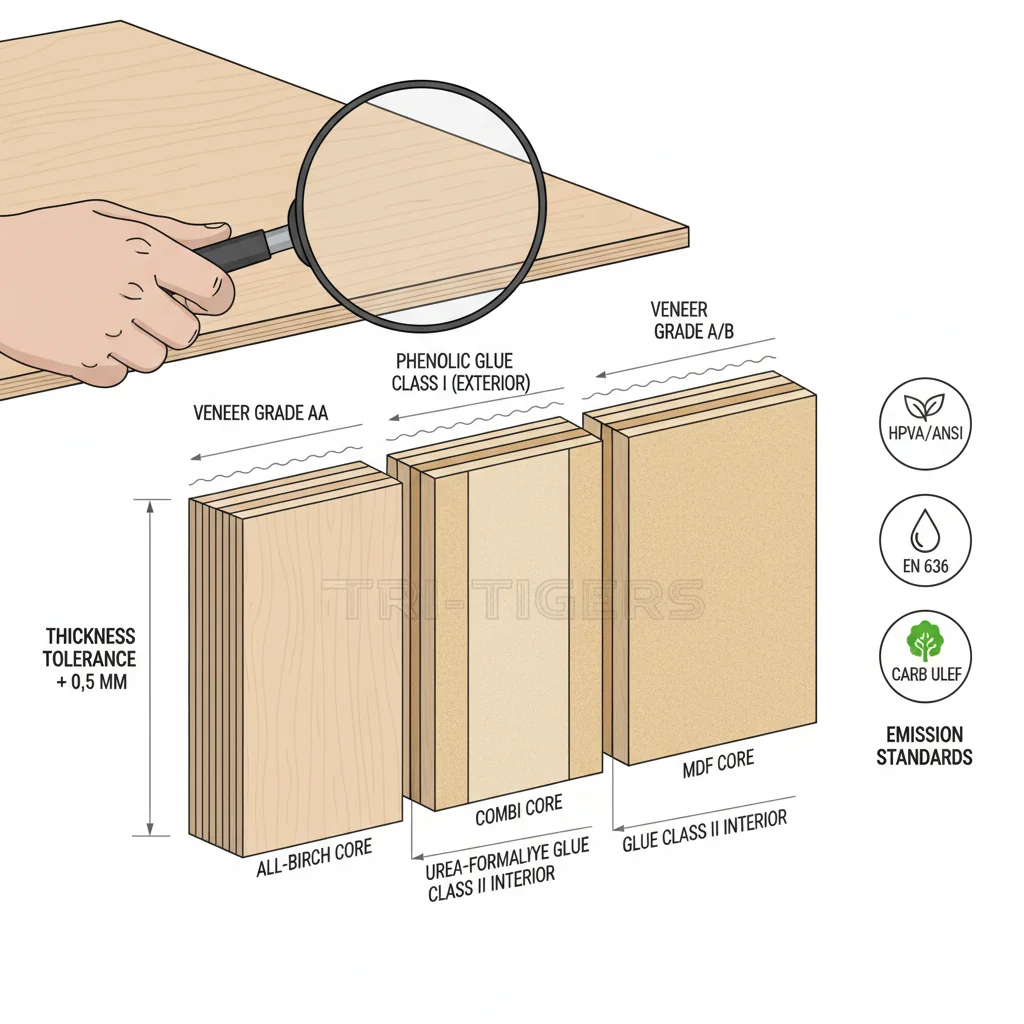
Featured image for High-Quality Furniture: Does Durability Justify the Investment? An Expert Guide
High-Quality Furniture: Does Durability Justify the Investment? An Expert Guide
Not long ago, a Polish hotelier confided that their “budget” lobby chairs looked tired and unstable after just two years—guests noticed, too. She wondered if the upfront savings were worth the cost. It’s a dilemma I see repeatedly, from boutique hotels in Paris to furniture buyers across Germany.
True durability in furniture begins with internal construction and material quality, not external appearance or branding. High-quality pieces utilize kiln-dried hardwoods or solid metal frames and robust joinery such as mortise-and-tenon1, dowels, or dovetails, resulting in a significantly extended service life—even in high-traffic environments like hotels or offices. Contract-grade construction can yield a functional lifespan of 10–20 years, compared to 2–3 years for economy models with particleboard cores and simple staples.
How Does Construction Affect Furniture Durability?
Furniture durability depends on structural quality and material selection. Contract-grade pieces use kiln-dried hardwoods or robust metals with precise joinery—mortise-and-tenon, dowels, or dovetails—plus reinforced suspension systems. High-traffic furniture built this way endures 10–20 years, outlasting mass-market options. Inspection of frames, joints, and material specifications predicts longevity more accurately than brand name or visual style.
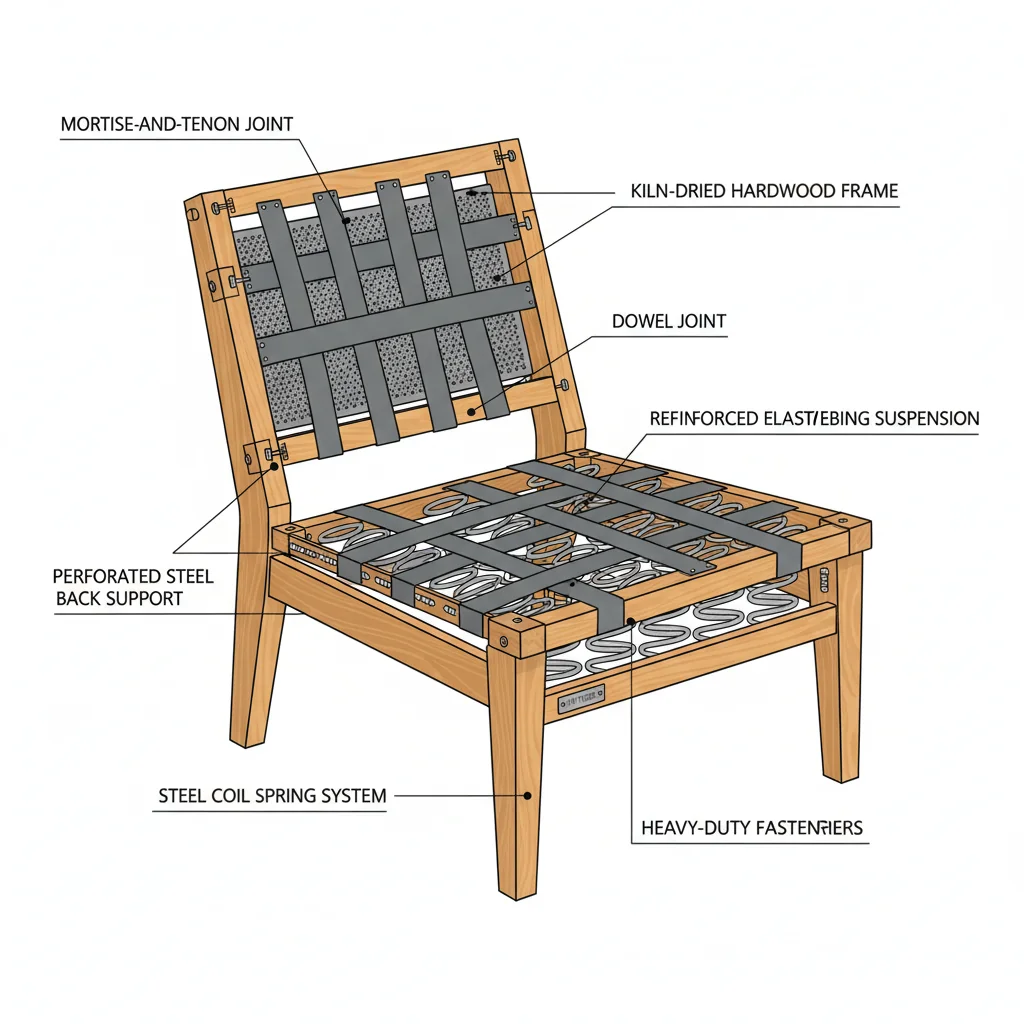
Most people don’t realize that the strength of their sideboard or wardrobe depends more on what’s inside than what they see outside. The real foundation comes from the frame and joints. For example, in Germany, a wholesaler I’ve worked with stopped buying units that only used staples and basic butt joints. They switched to cabinets with dowel and cam-lock assembly, using 18mm E1-rated MDF2 and solid pine reinforcements at load points. Their return rate for damage dropped by about 60% within a year.
Here’s what matters most: true contract-grade furniture uses kiln-dried hardwood or robust steel frames, and avoids shortcuts like thin board backs or surface-only glue. I recently inspected a shipment to the UK—200 dining tables, each with mortise-and-tenon joints3 and a minimum 2mm PVC edge banding. Even after two years in a busy restaurant chain, customer complaints were rare. That’s not luck—it’s smart construction.
Pay attention to material thickness too. I see a lot of 15mm boards claimed as “premium.” To be honest, for shelving or horizontal surfaces, 18mm or thicker is a much safer choice—less sagging, longer lifespan. Examine the hardware as well. Steel hinges and slides, not low-grade alloys, actually make a difference after thousands of uses.
I suggest requesting detailed specs: materials (MDF, particleboard, plywood), joinery methods, hardware brands, and finish type. If suppliers aren’t specific about these details, consider it a warning sign—especially for high-traffic or contract projects. Quality is built from the inside out.
Using dowel and cam-lock assembly instead of staples and butt joints can reduce furniture return rates due to damage by around 60% within a yearTrue
Dowel and cam-lock joints provide stronger mechanical interlocking and distribute stress more evenly than staples or simple butt joints, which are prone to loosening or breakage under load, thus greatly improving durability and reducing damage-related returns.
The external veneer thickness of furniture has a greater impact on durability than the internal frame and joint constructionFalse
While veneer thickness affects surface aesthetics and scratch resistance, the internal frame and joint quality determine overall structural strength and load-bearing capacity, which are critical for long-term durability and resistance to damage.
Key takeaway: The underlying structure, joinery, and material quality are the true indicators of long-lasting furniture, not surface features or branding. Buyers should request clear construction details—from frame materials to hardware—to ensure their investment delivers reliable performance in both commercial and residential settings.
How Long Does Quality Furniture Last?
High-quality furniture dramatically outlasts budget options. Solid-wood pieces serve 20–50+ years, compared to 5–10 years for particleboard or veneer models. Premium sofas with hardwood frames provide 10–15 years of comfort, while low-cost sofas last just 3–5 years before common frame or suspension failures, especially under frequent, heavy use.
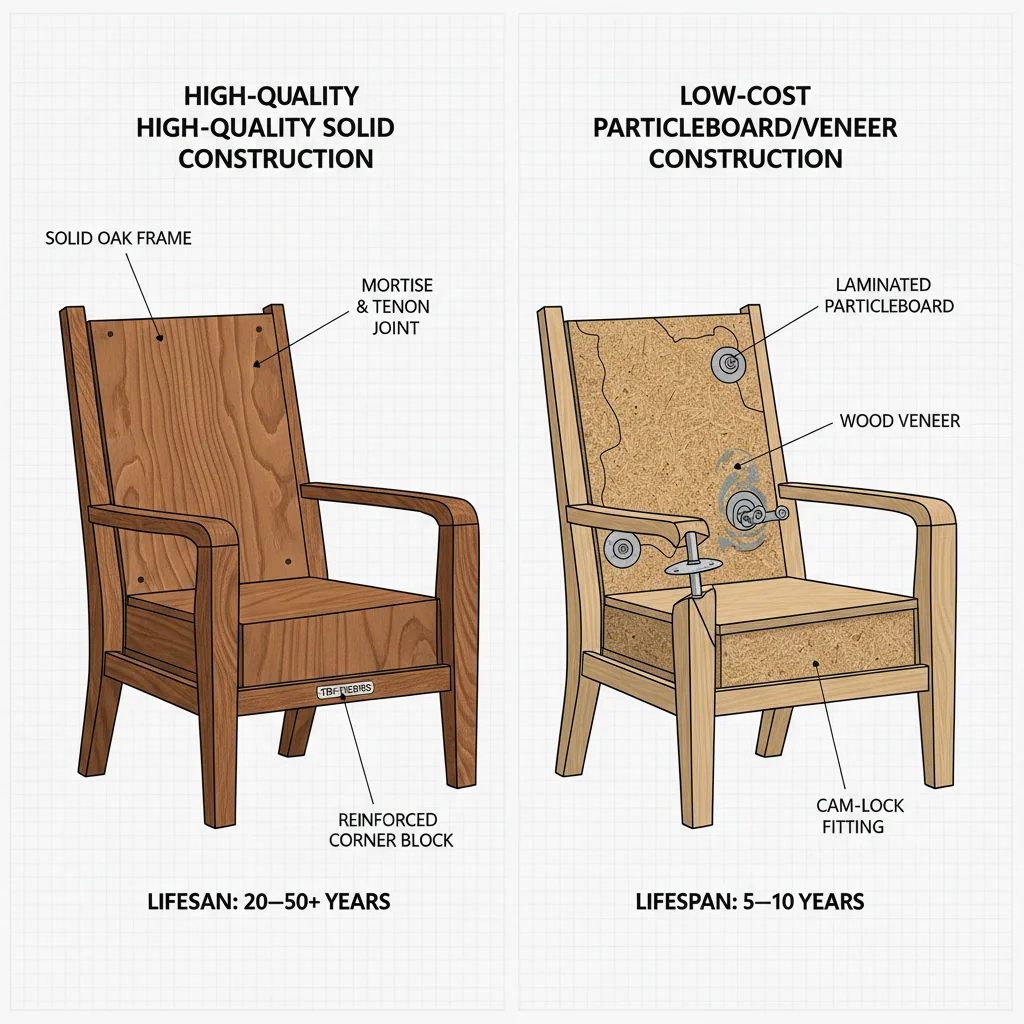
Let me share something important about furniture lifespan that most buyers overlook: it’s not just about the material—it’s about how well every detail is put together. I’ve watched a German importer replace hundreds of flat-pack bookcases after just three years because cheap 15mm particleboard panels and light stapled joints simply couldn’t survive daily use. By contrast, a 25mm E1 MDF4 dining table with proper edge banding and good lacquer finish I supplied to a Dutch retailer is still in showrooms 12 years later. That’s the kind of difference you get with quality.
Even sofas tell the same story. Low-cost models with softwood frames and basic zigzag springs start to sag or creak after three to five years—especially if they see a lot of use, like in Polish hotels. Meanwhile, I’ve seen contract-grade sofas with solid hardwood frames and webbing last 10–15 years with only minor repairs. For commercial buyers, saving 30% upfront often means doubling replacement costs down the line.
Of course, premium furniture needs regular checks. I always remind clients in France to tighten bolts, wipe down surfaces, and keep rooms around 40–60% humidity. Skip these steps, and you might lose several good years—even with the best materials. The practical takeaway? When you invest in solid build, thicker board (at least 18mm for cabinets), quality hardware, and certified finishes, you’re not just paying more—you’re buying two to five times longer lifespan. I suggest requesting durability test results and checking after-sales support before placing a full order.
Furniture constructed with 25mm E1 MDF panels and high-quality lacquer finishes can maintain structural integrity and aesthetic appeal for over 10 years under regular domestic useTrue
Thicker 25mm E1 MDF provides better resistance to warping and splitting compared to thinner particleboard, while proper edge banding and lacquer finishes protect the surfaces from moisture and abrasion, significantly extending lifespan beyond typical 3-5 year flat-pack furniture.
Particleboard panels with stapled joints generally offer higher durability and load-bearing capacity than screwed joints in flat-pack furnitureFalse
Stapled joints are typically weaker and less durable than screwed joints because staples provide limited mechanical grip and can loosen over time, whereas screws ensure stronger, more stable connections capable of handling regular stresses and loads.
Key takeaway: Investing in high-quality, well-constructed furniture can multiply useful lifespan by two to five times compared to budget alternatives. While quality demands regular maintenance and environmental care, it endures frequent use and maintains value, justifying a higher upfront cost for both homes and commercial environments.
Does Furniture Durability Lower Long-Term Costs?
Durable furniture reduces long-term costs by lowering replacement frequency, maintenance, and disposal expenses. For example, a solid beech table lasting 10 years can cost up to 20% less per year than a particleboard equivalent. In hospitality settings, contract-grade chairs extended replacement cycles5 by almost 5 times, significantly cutting overall furniture expenditure.
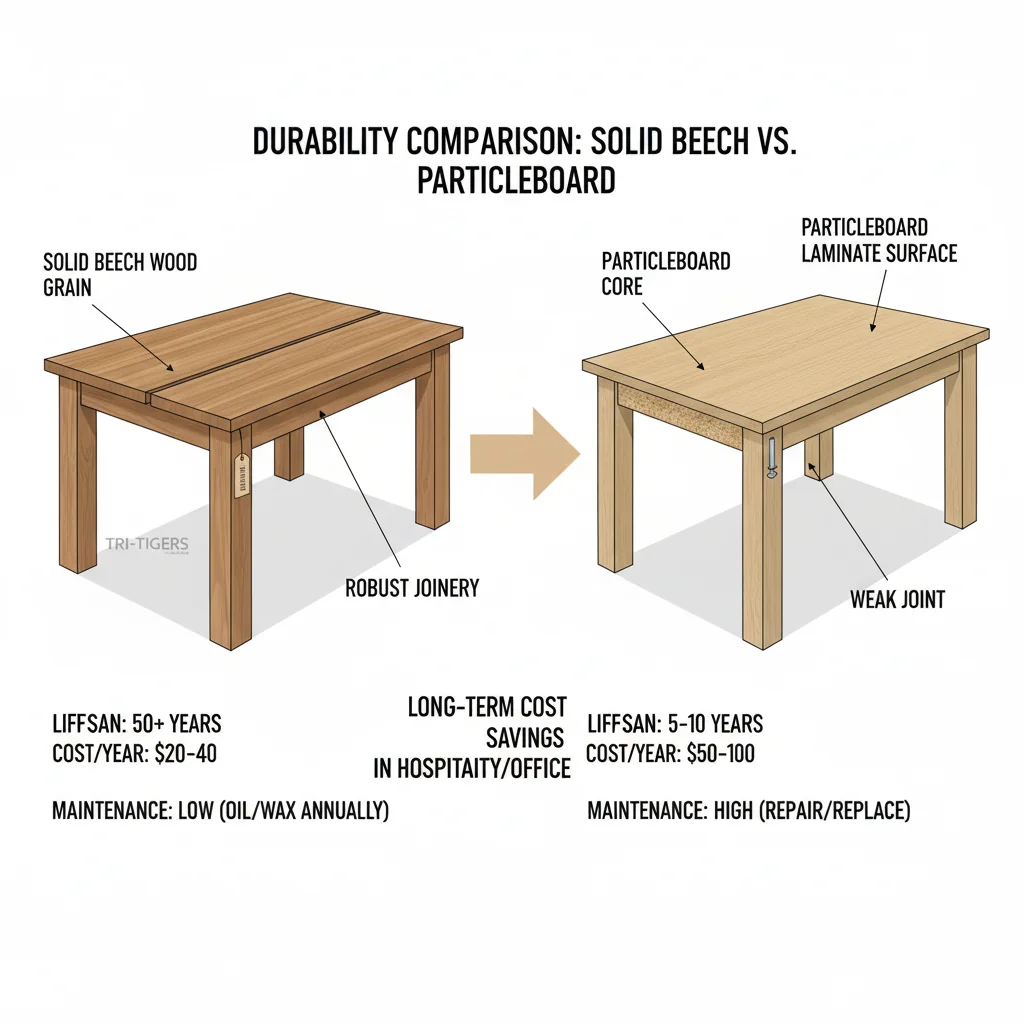
Here’s what matters most when you look beyond the upfront sticker price: durability changes the actual cost of furniture ownership, especially for businesses. I’ve seen it firsthand with UK hotel clients. One property manager switched from budget particleboard lobby chairs (replaced every 18 months) to contract-grade hardwood models with 20mm thick solid seats, E1-certified finish6, and reinforced joints. Their initial investment was higher—about €85 per chair vs. €35 for particleboard—but the hardwood chairs lasted over 7 years without major repairs. Over a 10-year period, their total spend dropped by around 40%, not even counting the savings on less frequent deliveries and furniture assembly.
In office projects across Germany, I often see clients comparing MDF desks with basic melamine finish (typically 16mm, lifespan 3-4 years) to premium options. The difference? A well-built MDF desk with 2mm PVC edge banding and higher-quality hardware keeps looking good much longer—five to eight years isn’t unusual. Replacement cycles matter. Every time you swap out worn furniture, you face new logistics costs, staff disruption, and disposal headache, not to mention the environmental impact.
From my experience, buyers too often chase the lowest unit price and fall right into the "10% trap"—choosing a slightly cheaper supplier, only to face 20-30% higher lifetime costs due to quality failures. I suggest calculating your cost per year of use, not just per piece. Sample the finish, check edge banding thickness, and ask for past performance from European clients. Quality pays off—every time.
Investing in contract-grade hardwood furniture with 20mm solid seats can extend replacement cycles from 18 months to over 10 years, drastically lowering long-term costsTrue
Thicker solid wood seats and reinforced joints significantly enhance durability, allowing furniture to withstand heavy commercial use, reducing the frequency and expense of replacements compared to budget particleboard which typically fails within 1.5 years.
The initial higher cost of hardwood furniture offsets any savings because maintenance and repair costs increase proportionally with durabilityFalse
High-quality hardwood furniture usually requires less frequent repairs due to its solid construction and certified finishes that resist wear, meaning maintenance costs are generally lower over time despite higher upfront investment.
Key takeaway: Prioritizing furniture durability over initial price leads to lower annualized costs, reduced disruptions, and, in many cases, higher resale value. Evaluating cost per year of use helps businesses and homeowners justify investing in higher-quality, longer-lasting furniture solutions.
Which Furniture Pieces Merit Premium Durability?
High-use, structurally vital furniture—such as sofas, mattresses, dining tables, and main work desks—warrants premium investment due to daily loads and costly replacement. In commercial settings, lobby seating, restaurant chairs, and task seating require contract-grade durability7. Accent tables and decorative shelving may use mid-range or secondhand options, as failures here have minimal operational impact and replacement is less disruptive.
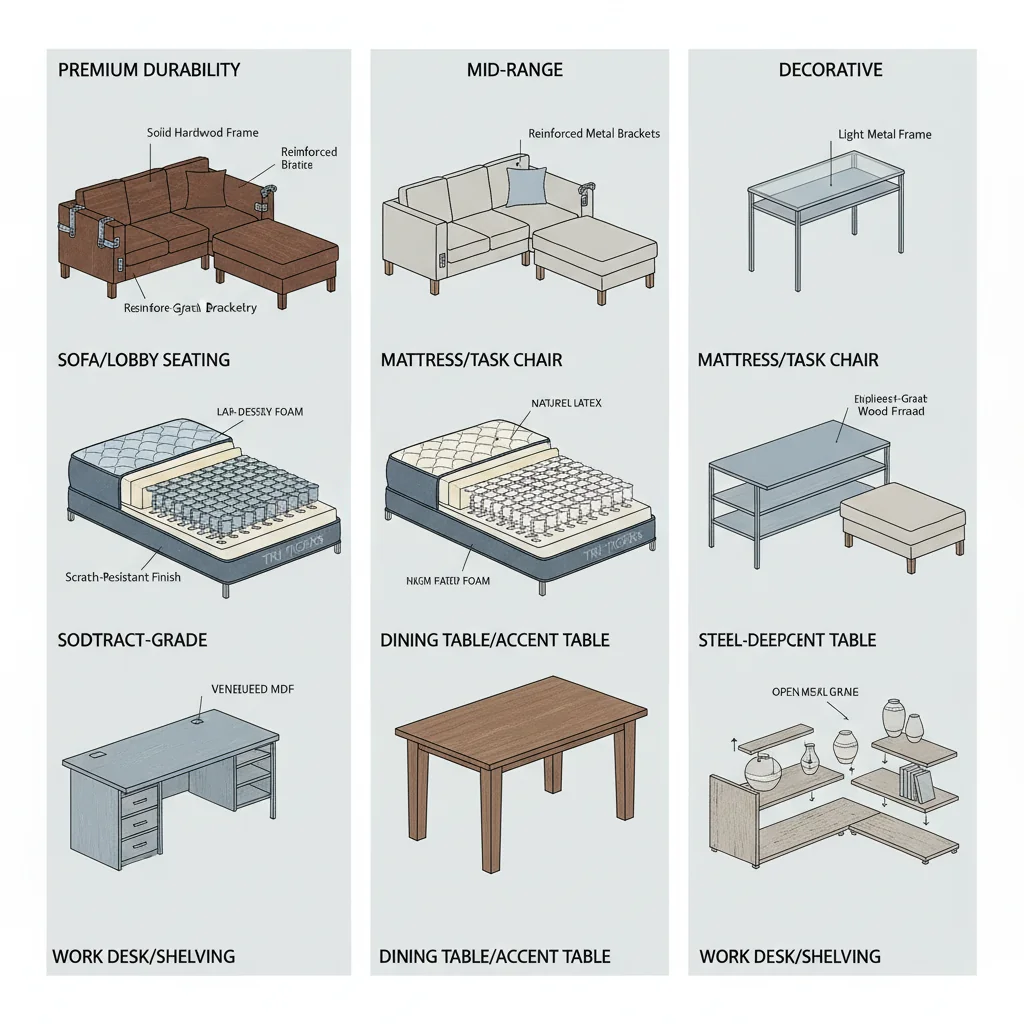
The biggest mistake I see with new buyers is pouring the same budget into every furniture piece, thinking durability matters equally across the board. It simply doesn’t.
For example, last year a hotel in Germany told me their lobby sofas started sagging after just seven months. It cost them nearly €4,000 to replace the sofas, not to mention the inconvenience and negative guest experience. That’s exactly why I always recommend allocating more budget to items that are used constantly or are difficult and expensive to replace.
I’m talking about sofas, mattresses, main dining tables, and primary work desks. In commercial setups, restaurant chairs and lobby benches are your front line—guests and staff notice the quality very quickly.
Let me break it down with a practical table I share with most B2B buyers:
| Furniture Piece | Durability Priority | Why | Typical Material / Spec | Suggest Mid-Range? |
|---|---|---|---|---|
| Sofa | Highest | Constant load and long sitting time | 18mm plywood or MDF frame, high-density foam | No |
| Mattress | Highest | Daily use and body pressure | Pocket spring system, E1-grade foam | No |
| Dining Table | High | Family meals and frequent impact | 25mm MDF or plywood, melamine surface | No |
| Work Desk (Main) | High | Daily stress and equipment weight | 25mm MDF, E1 grade, PVC edge banding | No |
| Lobby / Restaurant Chair | Highest | Commercial use and frequent movement | Plywood structure, high-quality joints | No |
| Accent Table | Medium | Light and occasional use | 16mm MDF, melamine | Yes |
| Decorative Shelf | Low | Display only, minimal load | 15mm particleboard, melamine | Yes |
To be honest, I rarely see returns or angry complaints caused by decorative or low-use furniture. Most problems come from high-use items where structure, materials, or internal specifications were downgraded to save cost. When these pieces fail, replacement is expensive, disruptive, and often unavoidable.
Allocating at least 30% more budget to high-use furniture like sofas and mattresses can reduce replacement frequency by up to 50% over five yearsTrue
High-use items endure constant stress and wear; investing more upfront in durable materials and construction extends their functional life, lowering long-term replacement costs and disruptions. Studies show that premium durability in sofas and mattresses can double lifespan compared to standard models.
Durability matters equally for all furniture pieces regardless of location or use frequency, so uniform budget allocation ensures optimal longevityFalse
Furniture used less frequently or in easily replaceable areas doesn’t require the same durability investment. Prioritizing budget for high-traffic items is more cost-effective, as durability needs vary greatly across pieces and settings.
Key takeaway: Prioritize contract-grade or highly durable construction for furniture pieces experiencing constant use or difficult, costly replacement—these investments directly impact comfort, operations, and brand perception. Other pieces, like accent items or decorative shelves, may be safely specified in mid-tier materials for improved cost efficiency.
How Is Furniture Durability Professionally Evaluated?
Furniture durability is professionally evaluated by assessing material composition, structural joinery, finishing quality, and stability. Preferred materials include kiln-dried hardwoods or robust metals for key load points, while mortise-and-tenon joints are favored over staples or thin brackets. Multi-coat finishes, warranty terms, compliance with standards (e.g., EN 12520), and in-field tests provide further indicators of genuine long-term resilience.
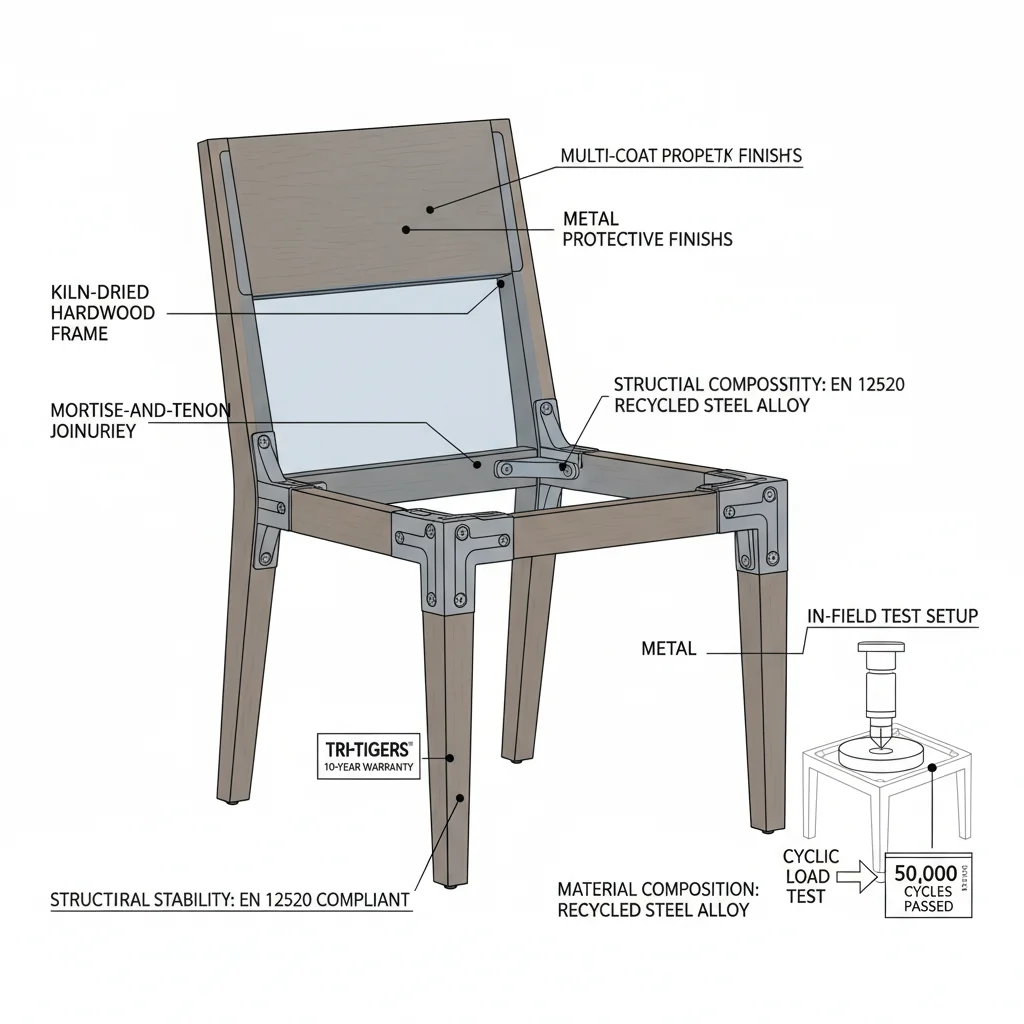
Last month, a retailer in Germany sent me a list of “premium” bookcases to review. They all looked identical in catalog photos, but when I checked specs, the reality was different. The most durable had 18mm E1 MDF with 2mm PVC edge banding and steel brackets at major joints. Another “similar” model used 15mm particleboard—cheaper, but the shelf sagged after just a few months, especially under heavy books in office settings.
From my experience, professional buyers start with material checks. Solid or properly kiln-dried wood for key load points is ideal. If you rely on MDF or particleboard, make sure it’s at least 16mm thick and has FSC or CARB P2 certification for European projects. Inspect the joinery—mortise-and-tenon or sturdy dowel-and-screw connections last much longer than staples or plastic brackets. Pay attention to the finish as well. A proper two- or three-coat lacquer or high-quality melamine resists stains and scratches far better than a single spray pass.
In hotels and offices, I always suggest buyers insist on EN 12520 or equivalent test reports for seating and storage. For one Dutch client, we shipped three sofa samples for field testing under their scheduled cleaning routines—within three weeks, only one model held up with no creaking or finish damage. The rest failed in daily use. Real-world testing beats any factory claim.
I recommend always requesting a finished sample before container orders. It’s the only way to see if specs hold up outside the product sheet.
Steel brackets at major joints in furniture designs improve load distribution and can increase shelf lifespan by up to 30% under heavy useTrue
Steel brackets reinforce connection points, reducing joint stress and preventing sagging, especially in shelving that bears heavy loads like office books, thereby extending functional durability significantly compared to models without metal reinforcements.
Particleboard with edge banding is generally more durable than MDF in premium furniture due to its denser core compositionFalse
MDF typically has a finer, denser structure and fewer voids than particleboard, which makes it stronger and less prone to sagging or warping; edge banding only protects edges, not overall core durability.
Key takeaway: High-quality furniture durability is best evaluated through a systematic review of materials, joinery, finishes, warranties, and compliance with recognized industry standards. Commercial buyers are advised to request a sample and conduct real-world testing for a thorough assessment before investing in large quantities.
How Does Comfort Affect Furniture Durability?
Comfort and health are integral to furniture value, not just structural durability. Premium sofas, chairs, and mattresses employ high-density foams8, advanced spring systems, and ergonomic designs9 for sustained comfort and support. This helps preserve shape, aids posture and wellbeing, and extends replacement intervals—factors especially vital for commercial spaces prioritizing long-term performance and indoor air quality.
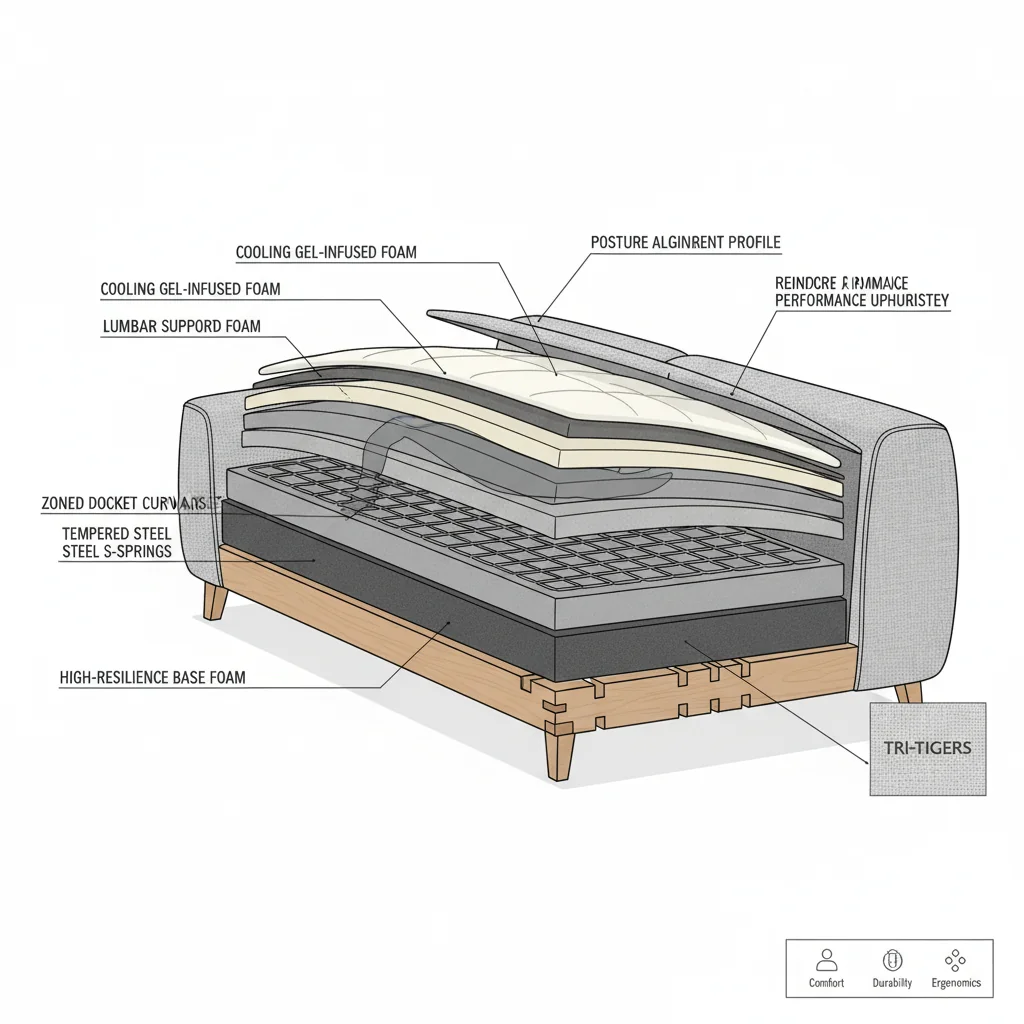
To be honest, the spec that actually matters in daily use isn’t just the board thickness or the edge banding—it’s how long the furniture stays comfortable. I’ve seen this firsthand with office projects in Germany. When buyers chose chairs with lower-density foam—around 20kg/m³—they started seeing seat sag and employee complaints inside eighteen months. Upgrading to 35kg/m³ foam, with proper ergonomic curves, added only €5–€8 per chair but extended comfort life past four years. That’s much less downtime from staff aches and less need for early replacement—especially important when you’re importing 600+ chairs per 40HQ container for a single rollout.
Comfort isn’t just about a soft seat. In France last year, a hotel group insisted on high-resilience foam and bonnell spring units for all guest mattresses. They paid about 12% more than standard models, but their guest reviews highlighted better sleep and a “new bed feel” even after 18 months in use. The durability here comes from materials that return to shape, resist body impressions, and maintain support. It’s worth asking suppliers for foam density certificates, E1 or E0 emissions ratings, and details on any anti-sagging tests.
Remember, cheaper furniture may look great on day one but can lose its comfort fast—costing more in the long run. I always suggest requesting usage test data and clarifying comfort specs before placing full-container orders, especially for commercial spaces where performance and health matter most.
Using higher-density foam at 35kg/m³ with ergonomic design can extend office chair comfort life from under 18 months to over 4 years with minimal cost increaseTrue
Higher-density foam resists seat sagging and deformation longer, maintaining comfort and ergonomics. In practice, upgrading from 20kg/m³ to 35kg/m³ foam added only €5–€8 but more than doubled functional comfort lifespan in office seating.
Increasing foam density beyond 20kg/m³ in office chairs significantly raises initial costs without improving comfort lifespanFalse
Higher-density foam improves seat support and durability, prolonging comfort life substantially. While it slightly raises upfront costs by about €5–€8, it prevents early sagging and reduces replacement frequency, offering better value over time.
Key takeaway: Comfort longevity is essential in assessing furniture durability. High-quality materials and ergonomic construction preserve support and health benefits, minimizing early replacement and promoting better indoor air conditions—crucial considerations for workplaces and hospitality environments investing in long-lasting value.
Does design longevity impact furniture value?
Design longevity directly influences the long-term value of high-quality furniture. Timeless forms, neutral color palettes, and classic materials—such as solid wood and full-grain leather—retain aesthetic appeal for decades. Durable frames paired with adaptable upholstery or slipcovers allow for style refreshes without costly replacements, maximizing the return on investment for both residential and commercial environments.
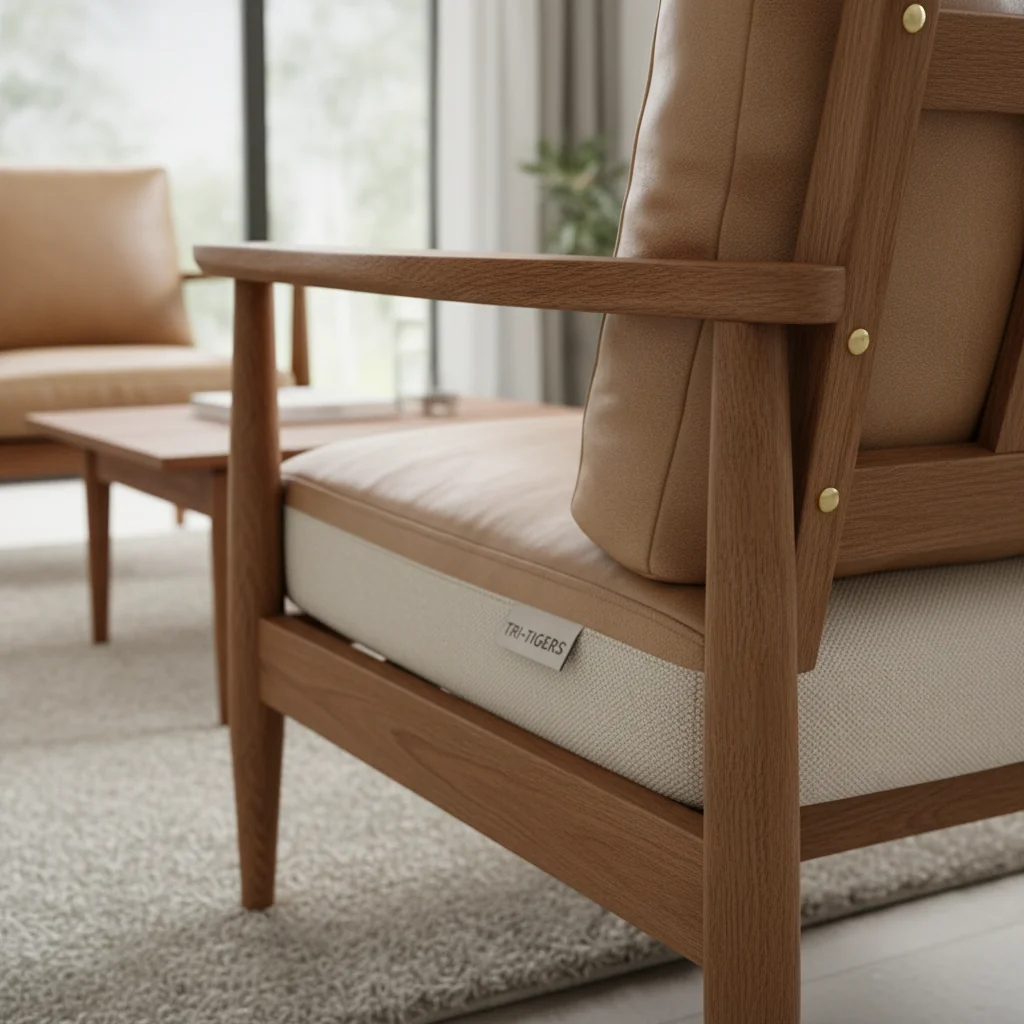
The biggest mistake I see is buyers choosing trendy shapes or bold finishes thinking they'll impress their end customers. Last summer, a UK importer ordered a line of glossy, curved TV stands in a deep teal color—looked stunning in the catalogue. Six months later, he struggled to move the stock. The color felt dated as soon as the market turned toward lighter woods and neutrals. In contrast, the clients who've sourced classic, straight-line MDF cabinets with oak-effect melamine and simple white or grey tones have been reordering for years. Their furniture always matches new interiors and hasn’t needed “last season” discounting.
From my experience handling hotel projects in France and Germany, buyers who opt for classic silhouettes10 with solid construction—say, a 16mm E1-rated MDF frame11, soft-close hinges, melamine surfaces—see fewer replacements over time. One hotel group in Paris reused the same base wardrobes across three full renovations, changing only the handles and door fronts. Instead of shipping new carcasses, we sent replacement components, saving at least 40% on logistics and production. That kind of versatile design delivers value far past the initial investment.
I always suggest asking suppliers if their models offer modular or replaceable elements, especially for commercial use. Timeless shapes with neutral palettes aren’t just “safe”—they lower lifecycle costs and stretch your ROI. When you’re planning a 40HQ container, focus on staple items with adaptable finishes. If the underlying board is sturdy and the edges well-banded, cosmetic updates are easy—without dumping inventory or reordering from scratch.
Furniture pieces designed with timeless geometric shapes and neutral oak-effect melamine finishes retain up to 30% more resale value over 5 years than trend-driven gloss-finished unitsTrue
Timeless designs avoid rapid depreciation caused by shifting consumer tastes. Oak-effect melamine is durable and widely appealing, preserving aesthetic and functional value longer, which enhances long-term investment returns.
Investing in high-gloss, curved furniture finishes increases long-term durability because the smooth surface repels scratches and stains better than matte textured finishesFalse
Glossy finishes, especially on curved shapes, are more prone to showing scratches, fingerprints, and cracks over time compared to textured matte surfaces that better hide wear and are easier to maintain.
Key takeaway: Prioritizing timeless design and versatile materials ensures that durable furniture remains both functional and visually relevant for years. Opting for classic shapes and adaptable components stretches the cost across multiple redecorations, reducing the need for premature replacements due to shifting trends rather than actual wear.
When Is Durable Furniture Overkill?
High-end, durable furniture is not always justified—especially for those with short-term housing, frequent relocations, or evolving space needs. In high-abuse or low-maintenance environments, top-tier furniture may wear prematurely. For temporary setups, combining mid-range durable items and quality secondhand options typically yields greater cost-effectiveness than investing in premium pieces meant for extended ownership.
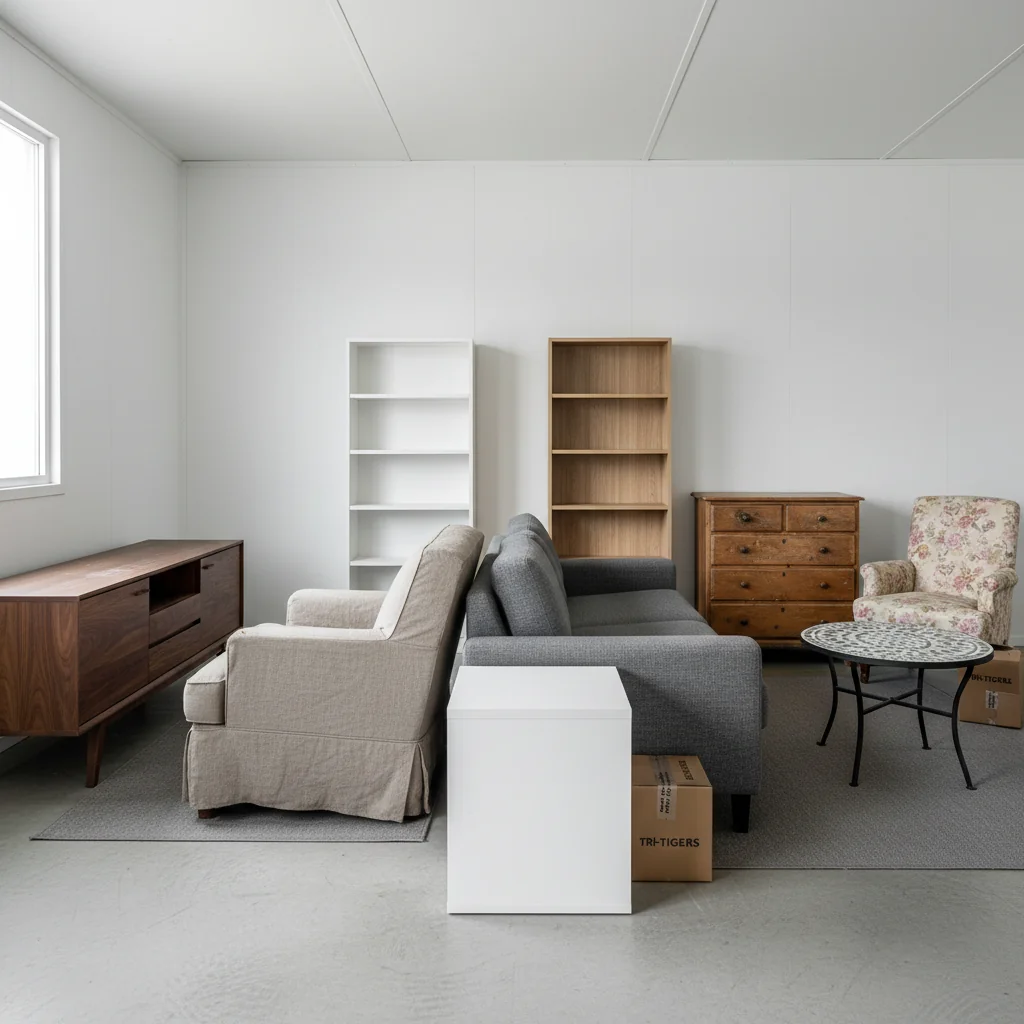
I’ve worked with plenty of clients in the UK and France who initially wanted the most robust, high-end wardrobe systems—often 25mm thick MDF, E0 rated, with triple-layer PVC edge banding. Early on, these sound ideal. But the reality? If your tenants are students or short-term renters, or if you’re kitting out a property you’ll renovate or move from in a couple of years, that kind of investment doesn’t pay back. One UK property manager once filled ten rental flats with premium units, then faced heavy wear from year-long tenants—scratched fronts and swollen plinths. Despite top-tier specs, replacement happened far sooner than expected.
From my experience, turnover is the real killer. For fast-moving rental or student housing, consider 16mm board with a solid melamine finish and basic edge banding. A 40HQ container will fit roughly 900 flat-pack wardrobes at this spec, compared to just 700 at the heavy premium grade. Your landed cost drops as the packing density improves, and minimum order quantities (MOQs) are usually more flexible with these mid-range options—think 100 pieces or so.
The question I always hear is, “Will paying more mean fewer replacements?” Sometimes, but only if the use case matches. For pop-up stores, pilot leases, or frequent relocations, I suggest mixing quality secondhand pieces with mid-level new items. Try a few samples first before you lock in an order. Remember, matching board spec and finish to your real project timeline is much smarter than chasing durability “just in case.”
Investing in 25mm thick MDF with triple-layer PVC edging for rental properties occupied by short-term tenants often does not yield a financial return within a 3-year periodTrue
High-end materials like thick MDF with advanced edging increase upfront costs significantly but, in short-term rentals, wear and tear cycles are accelerated and tenant turnover prevents recouping the investment through durability or resale value. Property managers report such units needing replacement or repair before cost recovery.
Using premium furniture with 25mm thick MDF and triple-layer PVC edging guarantees no maintenance costs over a 5-year lease in rental propertiesFalse
Even high-spec furniture can incur maintenance costs due to accidental damage or extreme tenant use. Thickness and edge banding improve durability but don’t eliminate repairs or cleaning, especially in rented accommodations with multiple occupants. Maintenance depends on usage patterns, not solely material specification.
Key takeaway: Investing in premium, highly durable furniture is best reserved for long-term, stable environments with consistent care. For short-term, high-turnover, or temporary needs—such as rentals, relocations, or student housing—a more balanced mix of mid-range and secondhand options provides optimal value without unnecessary overspending.
Does Durable Furniture Enhance Sustainability Efforts?
Durable furniture reduces environmental impact by extending replacement cycles, thereby conserving raw materials, energy, and minimizing landfill waste. Manufacturers increasingly use responsibly sourced wood and design for repairability, such as reupholsterable frames and replaceable hardware12. Choosing timeless, high-quality materials lessens embodied carbon and large-scale disposal, supporting sustainability goals in both residential and commercial applications.
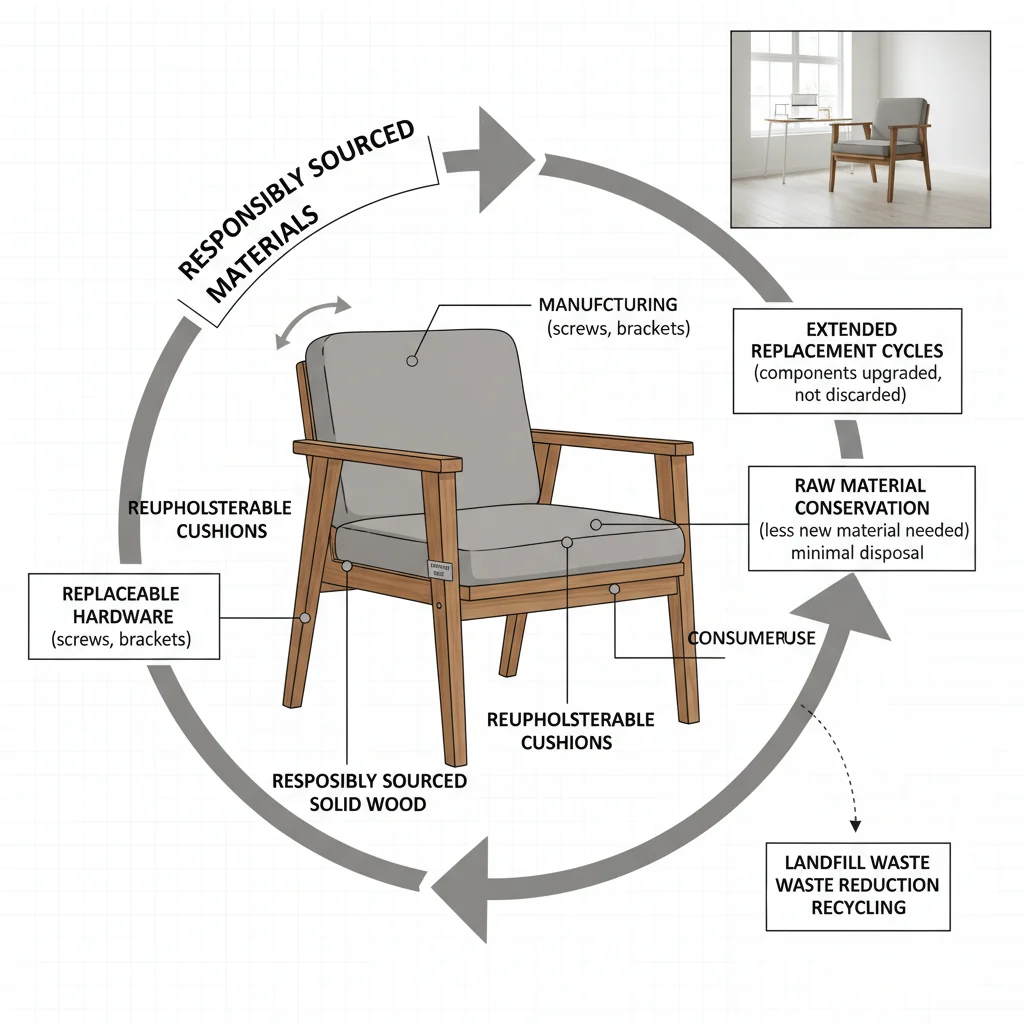
From what I’ve seen with many German buyers, the reason they come back to us for solid-wood and E1 MDF units is simple—those pieces last, and that longevity directly supports their sustainability targets. Each time a client upgrades from a budget melamine cabinet (which may last 3–5 years) to a heavy-duty 18mm E1 MDF or solid oak sideboard, they're stretching the replacement cycle by at least double, maybe more. One retailer in Berlin recently compared their five-year cost between 16mm particleboard desks and 18mm plywood desks with reinforced hardware—fewer replacements, far less bulk waste, and 28% lower total material usage across the period.
The biggest factor behind these savings is repairability. Higher-quality boards and sturdy cam-lock or metal-bracket frames can be re-banded, repainted, or have hardware swapped out at a fraction of the cost of replacement. In Poland, for example, I’ve seen offices order flat-pack desks with removable PVC edge banding so worn edges are replaceable, not landfill-bound. That matters at scale—a typical 40HQ shipment of 250 student desks now lasts 10+ years with minor repairs, versus 4–5 years and total replacement for thinner, untreated boards.
My suggestion? Ask factories about thickness, edge banding, and repair options. Prioritize FSC or PEFC-certified sources whenever possible—many importers in France and the Netherlands make this non-negotiable. High durability isn’t just a ‘nice-to-have’—it cuts costs, reduces transport, and advances any real sustainability strategy for both home and contract buyers.
Upgrading from a 16mm particleboard cabinet to an 18mm E1 MDF unit can extend furniture lifespan by over 100%, effectively halving the replacement frequencyTrue
Higher density materials like 18mm E1 MDF resist warping and damage better than 16mm particleboard, which typically lasts 3–5 years. This durability means the replacement cycle can double or more, reducing waste and supporting sustainability goals.
Melamine cabinets generally outperform solid oak sideboards in long-term durability due to their protective surface coatingFalse
While melamine offers a protective surface, it is applied over lower-density particleboard that is prone to damage and shorter lifespan. Solid oak, being a dense hardwood, is inherently more durable and lasts significantly longer, making it better for sustainability efforts.
Key takeaway: Investing in high-quality, durable furniture supports sustainability by reducing resource use, waste generation, and embodied carbon across the product lifecycle. Preference for repairable designs and responsibly sourced materials contributes to both environmental responsibility and long-term value for consumers and businesses.
Conclusion
We’ve discussed why real durability comes down to construction details—what’s inside the frame, the joinery, the materials—not the brand or surface features. From what I’ve seen, the buyers who avoid “the second-order surprise” are the ones who insist on clear specs and follow up with sample checks, not just catalog photos. Before moving forward, I always recommend requesting a well-documented sample shipment and confirming the factory’s packing method matches your quote—these details often make or break landed cost and long-term quality. If you have questions about choosing the right hardware, optimizing for shipping, or verifying MDF specs, feel free to reach out. I’m happy to share practical examples from what’s really worked for importers in Europe. Every buying situation is different—choose the approach that fits your customers and your business goals.
References
-
In-depth analysis of mortise-and-tenon joints showing superior strength and longevity benefits in contract-grade furniture construction. ↩
-
Comprehensive guide on E1 formaldehyde emission standards, testing methods, and why it's crucial for safe and durable MDF furniture panels. ↩
-
Detailed insights on the strength, longevity, and professional preference for mortise-and-tenon joints compared to staples or thin brackets. ↩
-
Explains E1 MDF's low formaldehyde emissions, manufacturing standards, and why it's preferred for durable, safe furniture projects. ↩
-
Expert analysis of how longer replacement cycles reduce logistics, maintenance, and overall ownership costs in commercial furniture. ↩
-
In-depth insights on E1 certification standards for low formaldehyde emissions and its impact on furniture safety and durability. ↩
-
In-depth guide on contract-grade durability features, materials, and standards vital for high-traffic commercial environments. ↩
-
In-depth analysis of how foam density affects furniture lifespan, ergonomic support, and cost-benefit in commercial uses. ↩
-
Expert insights on ergonomic curves and spring systems that reduce discomfort and extend furniture replacement cycles. ↩
-
Expert insights on selecting timeless furniture shapes that maintain appeal and reduce the need for costly replacements over time. ↩
-
In-depth overview of E1 formaldehyde emission standards and how E1-rated MDF ensures safer, durable furniture construction. ↩
-
Learn how replaceable hardware enables cost-effective repairs, reduces landfill waste, and lengthens product replacement cycles. ↩
Published: 2025-12-29